 Digital Printing

 Textile equipment
 Woodworking equipment
 Metalworking equipment
 Plastic processing
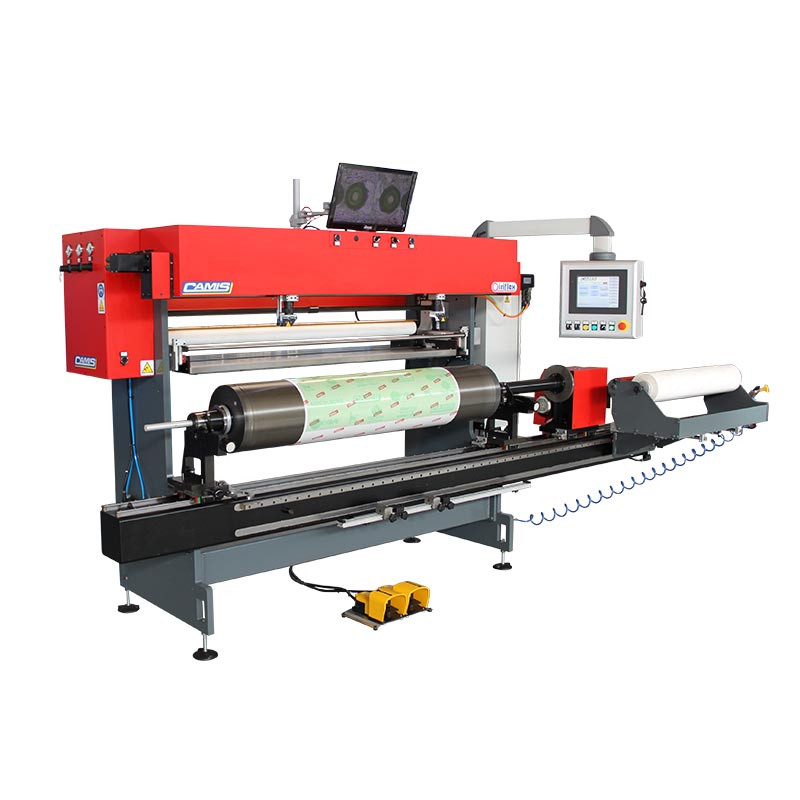
 FLEXO and paper Printing industry
 3D printing _3D Printers _Filaments
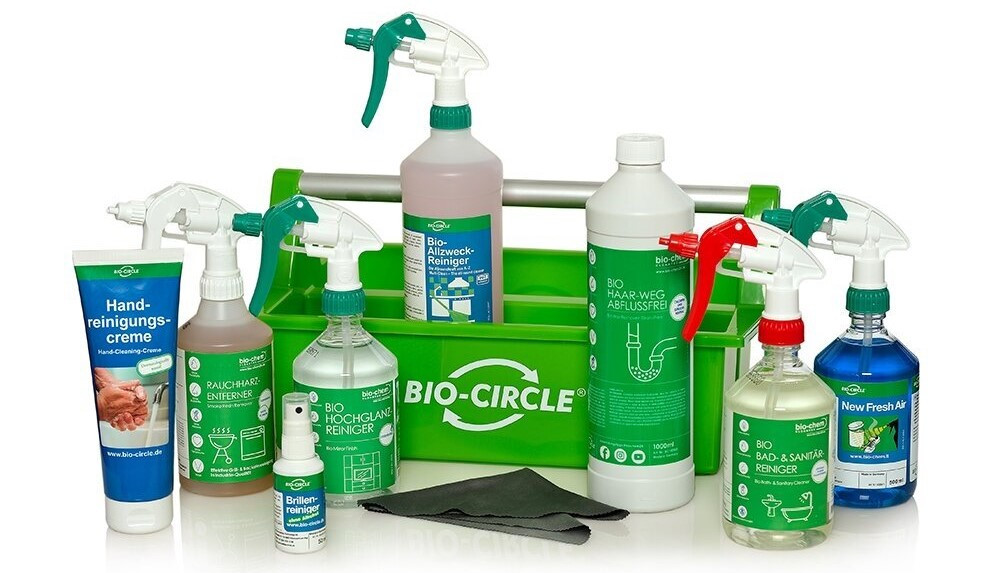 Industrial and cleaning liquids
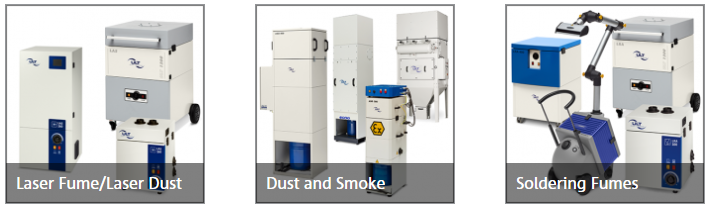
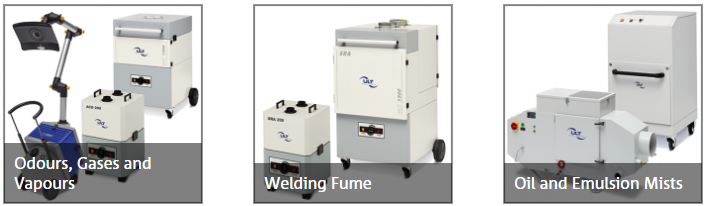
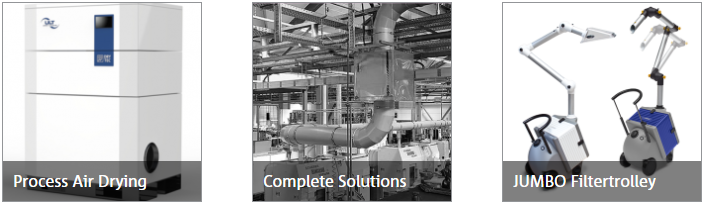
 Air purification, fume extraction and air drying


 CATEGORIES










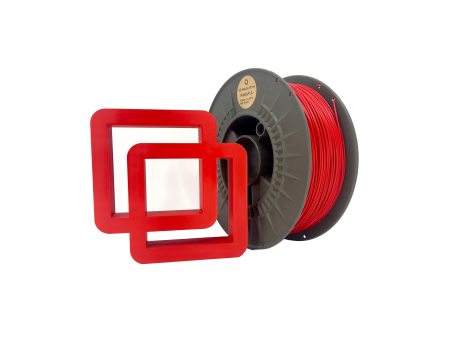
PLA Filament is a high-quality,...
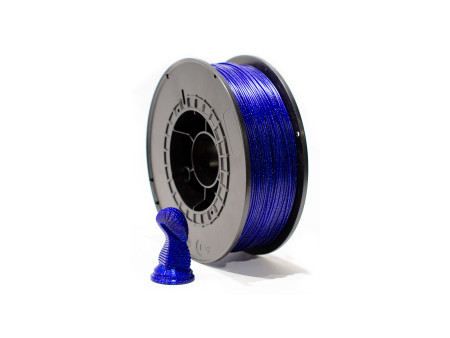
PETG Filament is a versatile and...
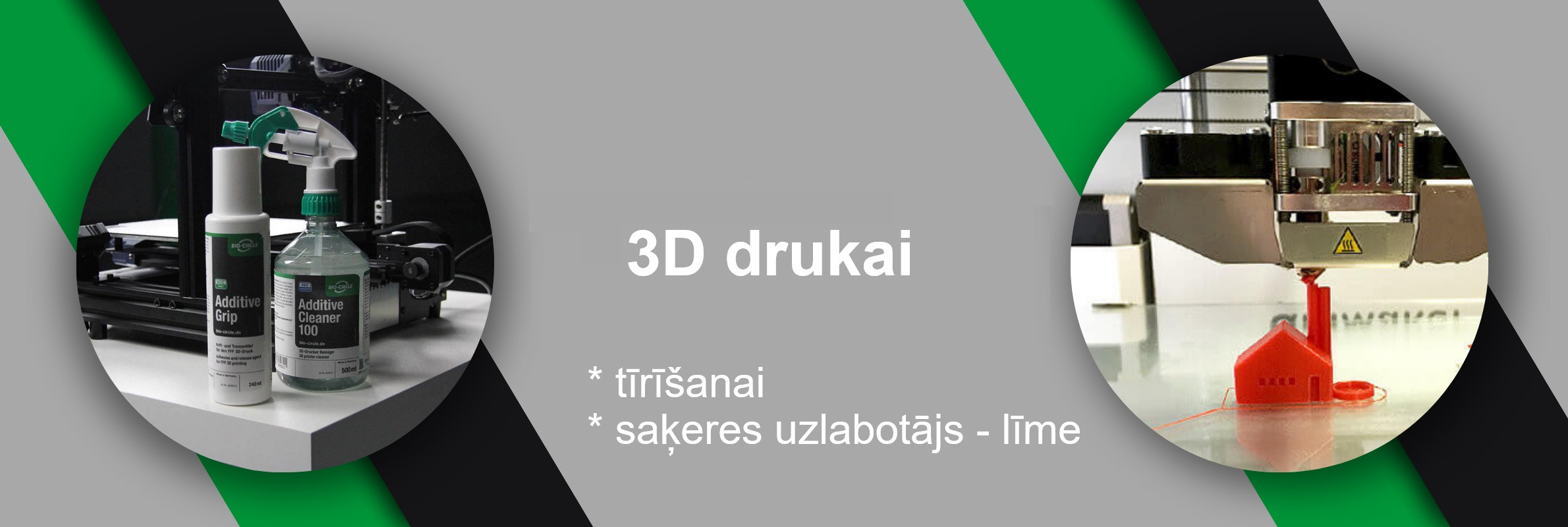
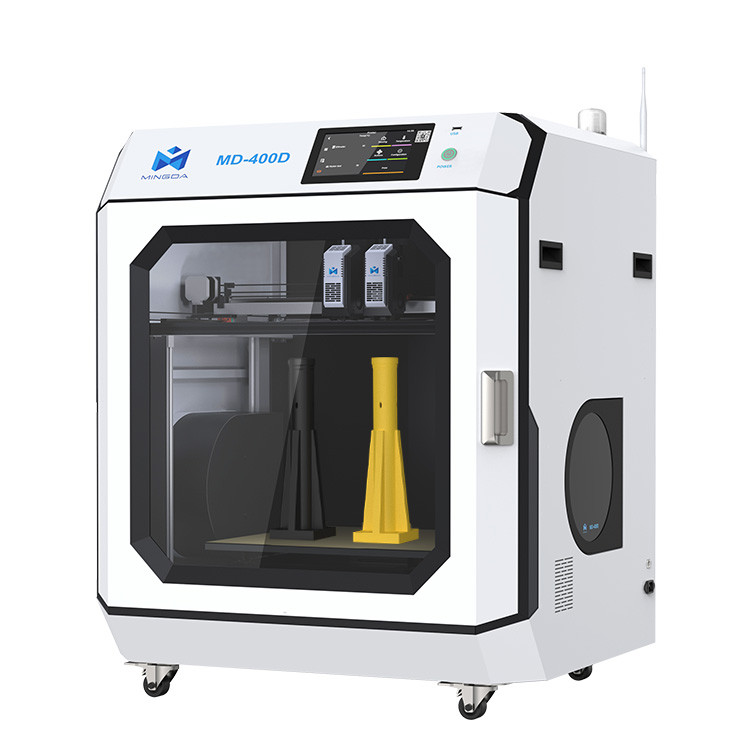
If you have any 3D printer need, let's contact us:
Phone: +371 27008994
Email: uldis@revart.lv










Ja jums ir nepieciešami sensori, sazinieties ar mums:
Tālrunis: +371 27008994
E-pasts: uldis@revart.lv

Ja jums ir nepieciešami sensori, sazinieties ar mums:
Tālrunis: +371 27008994
E-pasts: uldis@revart.lv





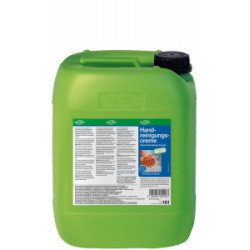
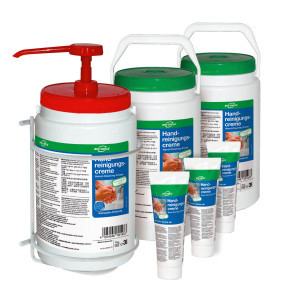
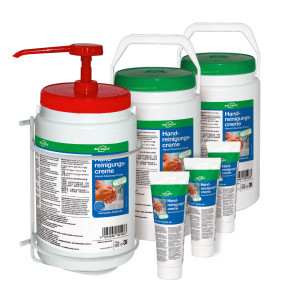
Hand Cleaning Cream The Hand...
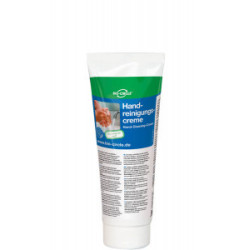
Hand Cleaning Cream The Hand...
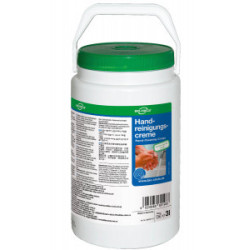
Hand Cleaning Cream The Hand...

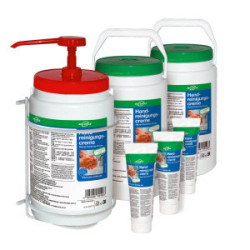
Hand Cleaning Cream The Hand...